Committed to Nature
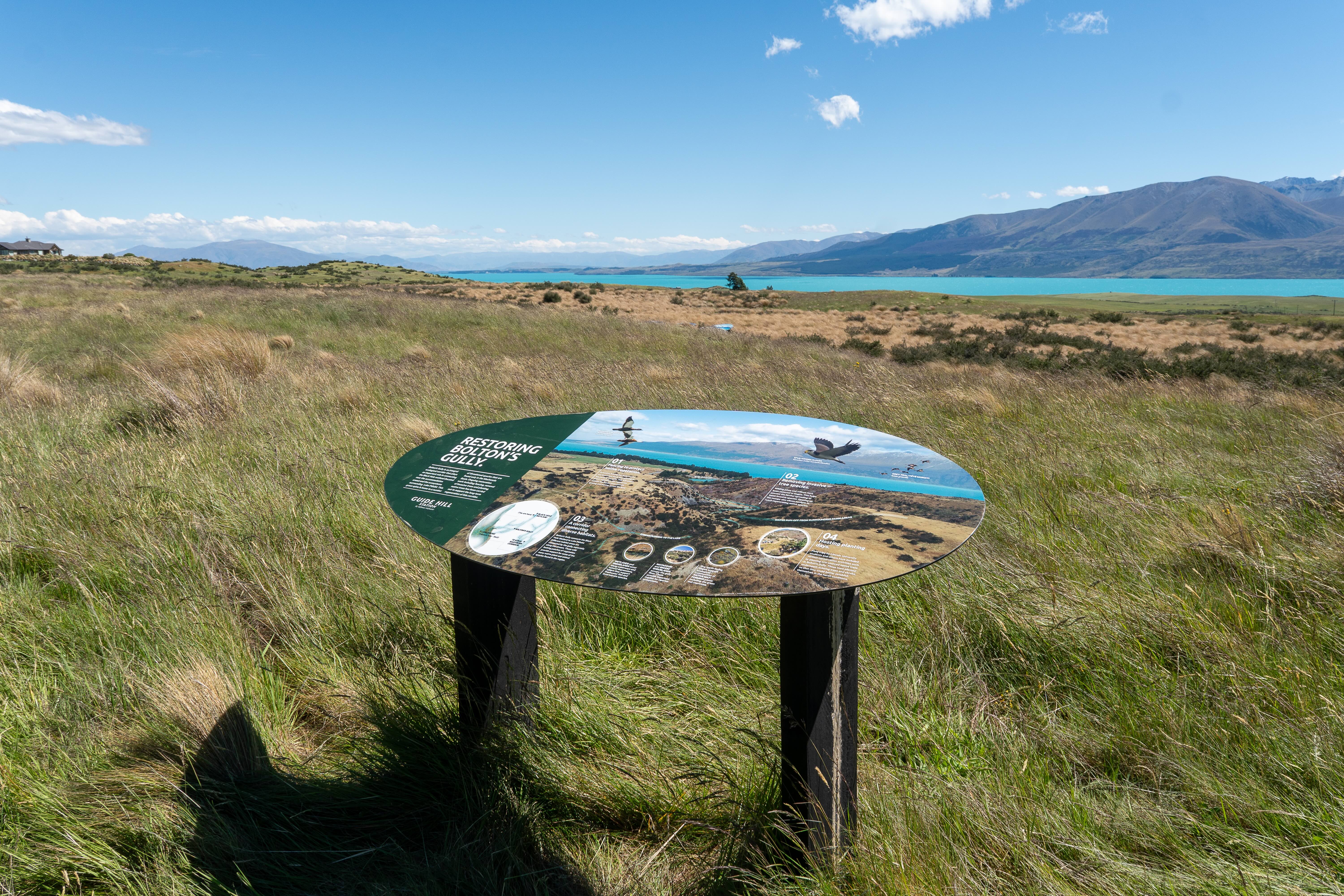
Guide Hill is a place shaped by care for the land. Through our Nature Centre and ongoing conservation projects, we’re helping to protect the endangered kāki, restore the unique dryland ecosystems, and ensure that every step here treads lightly — keeping this landscape alive for future generations.
Kāki Recovery
The kāki — or black stilt — is the world’s rarest wading bird, found only in the Mackenzie Basin. Once on the brink of extinction, it now survives thanks to dedicated conservation and breeding programmes in this unique high-country landscape.
Each season, the Department of Conservation (DOC) uses the Guide Hill Nature Centre as a base for its kāki release programme — part of a national effort to protect the world’s rarest wading bird. We’re proud to support this work, providing sponsorship and locator beacons that allow DOC to track newly released juveniles as they adapt to life in the wild. Around the Nature Centre, we’ve also shaped and restored pond areas to create safer, richer wading habitats — helping ensure these remarkable birds have the best possible start.


Nature Centre
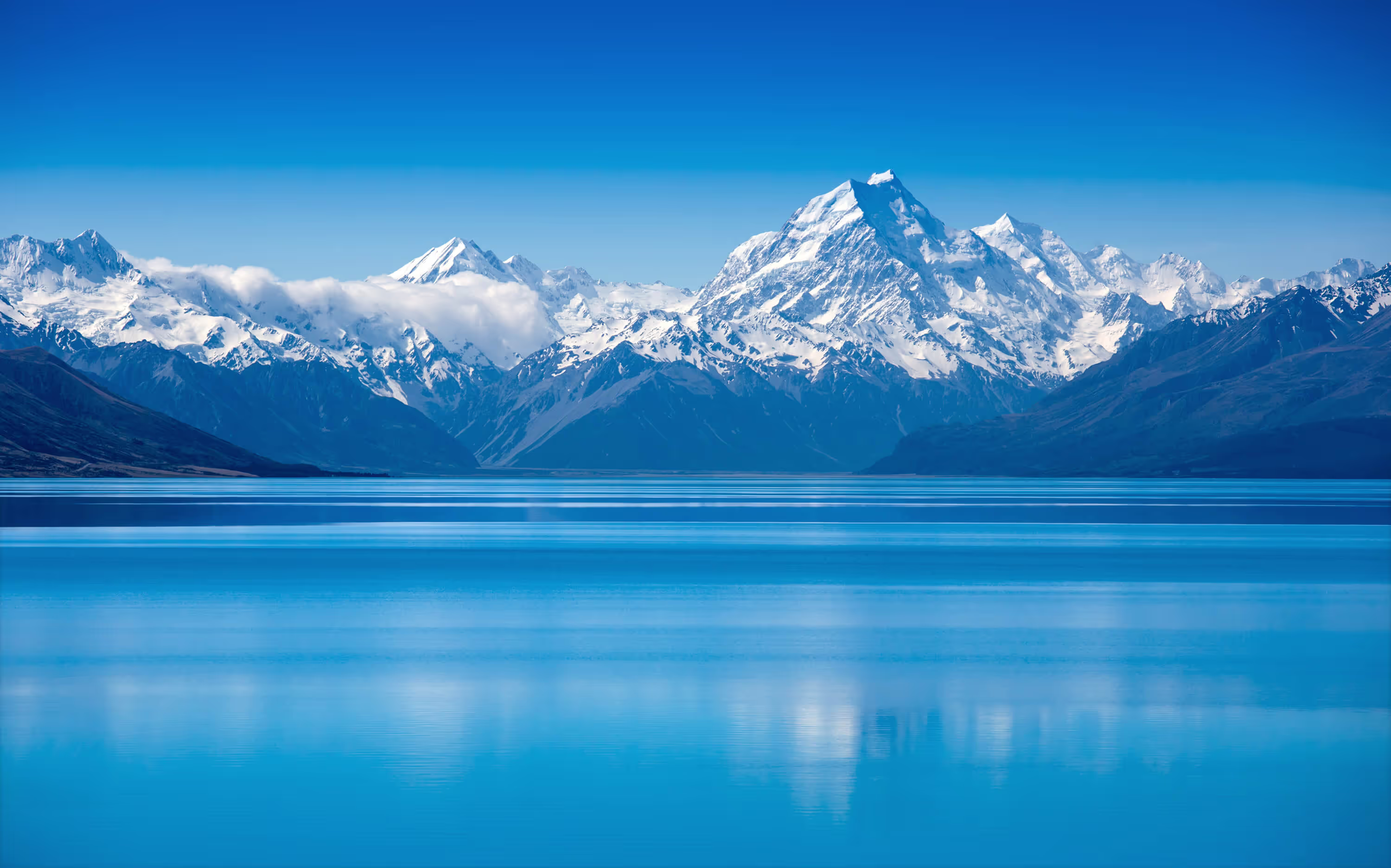
The Guide Hill Nature Centre is a base provided by the station for those who care for the land — researchers, students, and conservationists from Aotearoa and beyond. Its purpose is to be a home for learning and collaboration, supporting drylands conservation. With eight bunks, a kitchen, and meeting space, it’s a small but vital part of keeping this landscape alive through shared knowledge and hands-on work.


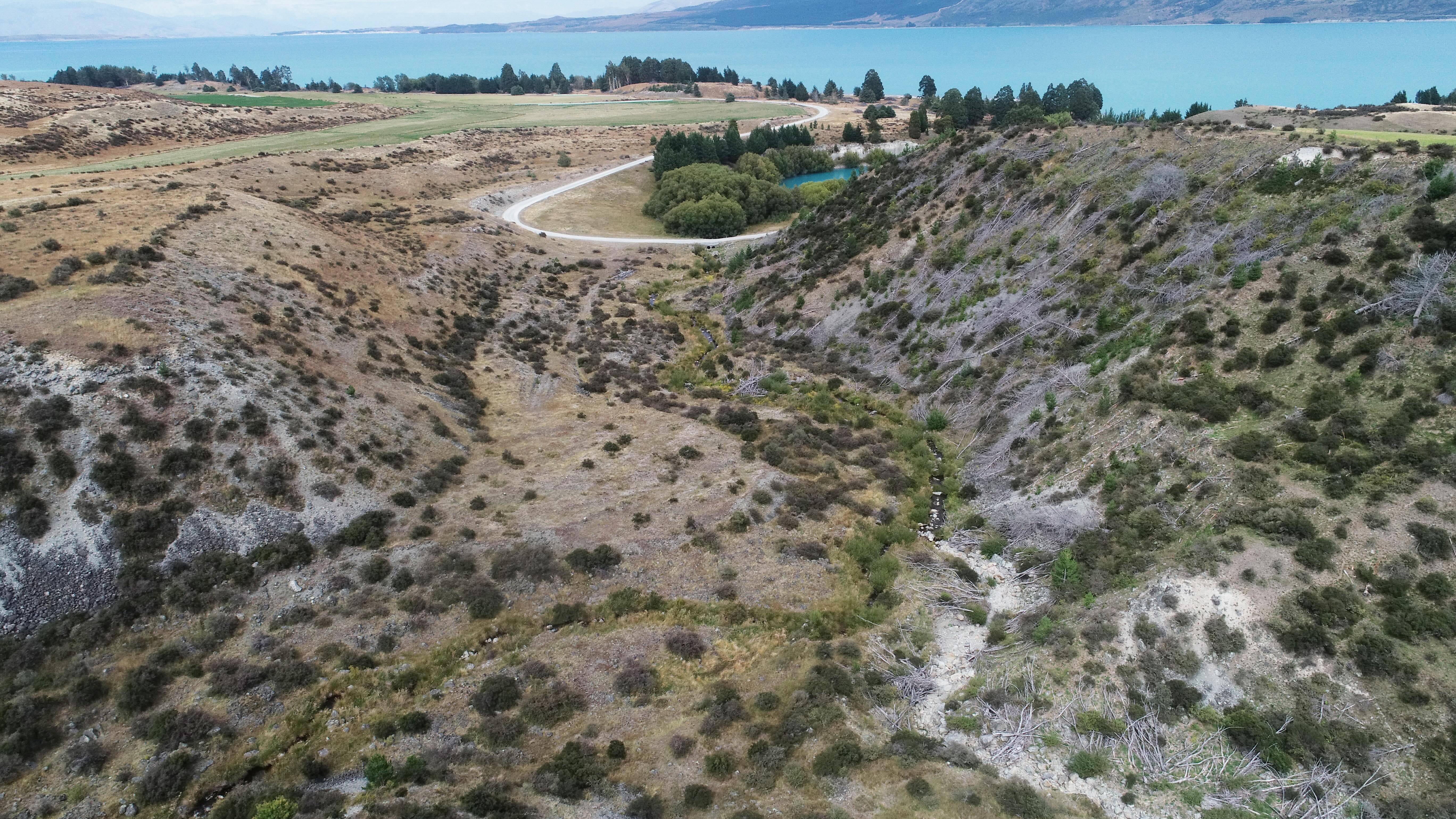
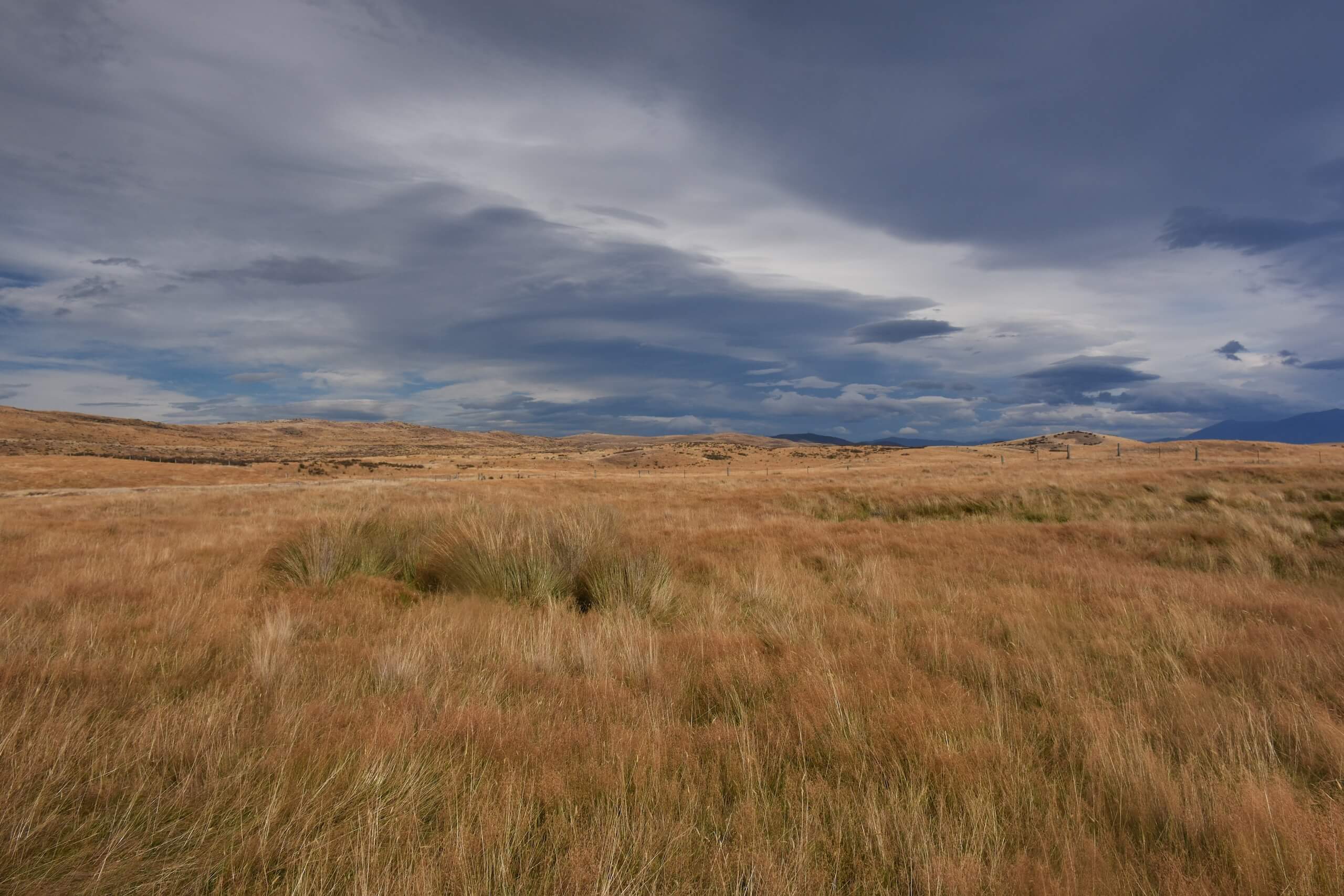
Our unique Drylands Landscape
The Mackenzie Basin’s drylands are among Aotearoa’s rarest ecosystems — a landscape of golden tussock, rocky terraces, and hardy native plants adapted to wind, sun, and thin soils. These open spaces hold a quiet beauty and support species found nowhere else.